FSA and HSA for Glasses: How to Claim When You Buy Online
Usually, yes, if the lenses are prescription. At Clearborne you pay with a regular debit or credit card, download your receipt, and claim with it. Every plan has its own rules and the final say. Below is what usually qualifies, what our receipt shows, and how to claim. This guide is for US shoppers only.
By the Clearborne Team · Updated November 6, 2026
What Usually Qualifies
This is about a health FSA; a dependent-care FSA is for care costs, not glasses. With a health FSA or an HSA, the lenses are what count. These usually qualify:
- Glasses with prescription lenses: single vision, progressive, or reading lenses made to your numbers.
- Sunglasses with prescription lenses in place of their Original Lenses.
These usually don’t:
- Sunglasses kept with their Original Lenses. Those lenses have no prescription in them.
- Glasses with plano (non-prescription) lenses, blue-light ones included.
- A frame bought without lenses. It may not qualify.
Not sure about yours? Ask your plan administrator before you order. They have the final say, not us.
What Our Receipt Shows
A paid order has a receipt; a cancelled or fully refunded one doesn’t, so save a PDF soon after you pay. At the top: Clearborne, our company’s legal name and address, our website and support email, and a Paid stamp. Under that: the order number, the order date, the name you gave at checkout and the payment status.
Then every item, with its price and one line that says what its lenses are: “Prescription lenses”, “Non-prescription lenses”, “Original lenses, non-prescription” or “Frame only, no lenses”. That line tells your plan which pair had prescription lenses.
Reading lenses made to the power you enter are listed as “Prescription lenses” too, because we make them to your numbers.
Shipping, any discount and tax each get their own line, then the total paid. If part of the order was refunded, the receipt shows the refund and what you paid after it.
Bought a prescription pair and a pair of plain sunglasses in one order? Both are on the same receipt, each with its own price, so you can point your plan to the prescription pair. If a discount applied to the order, it’s on its own line, and your plan may ask you to take it off that pair’s price.
Some things are left off on purpose: no shipping address, no phone number and no prescription values. If your plan asks to see your prescription, send the copy your eye doctor gave you.
How to Claim, Step by Step
- Pay at checkout with a regular debit or credit card.
- Open your order page, or Track Order with your order number and email, and click “Download receipt”.
- On the receipt, click “Print or save as PDF” to keep a copy. We also email you a payment confirmation with the order details.
- Claim it. With an FSA, that’s usually a claim on your plan’s website or app, with the receipt attached. With an HSA, you usually don’t send it anywhere: most providers let you pay yourself back, and you keep the receipt in case the IRS asks.
If Your FSA or HSA Card Is Declined
If your FSA or HSA card is declined at checkout, pay with a regular card instead and claim with your receipt. Health-account cards only work at certain kinds of stores, so a declined card doesn’t mean your glasses don’t qualify.
FSA and HSA Deadlines Work Differently
A health FSA usually has to be spent by the end of the plan year. Some plans add a short grace period or let you carry a small amount over, and some do neither. Many also give you extra time after the year ends to send in claims. Ask yours for both dates: the last day to buy, and the last day to file.
An HSA works differently. The money stays yours from year to year, and you can usually pay yourself back later for an expense from after your HSA was opened. Keep the receipt either way.
Ordering near the end of the year? Ask your plan whether it goes by the day you ordered or the day the glasses arrived. Orders with lenses we make take longer to ship than a frame alone, and our Shipping page lists delivery times for each country.
What a Prescription Pair Costs
Frame plus prescription lenses, before shipping and before any offer in your bag. On the receipt, each of these reads “Prescription lenses”:
- Single vision, clear: a $49.50 frame with these lenses ($10.00) comes to $59.50.
- Reading lenses: a $49.50 frame with them ($10.00) comes to $59.50.
- Progressive, clear: a $49.50 frame with these lenses ($70.00) comes to $119.50.
Returned a pair after you claimed it? Tell your plan administrator. Plans have their own rules for money that comes back.
Prescription lenses are made for you, and you can still return or exchange them within 30 days, even if you entered the wrong prescription. For an exchange, we make the new pair once your return arrives, and charge or refund any price difference.
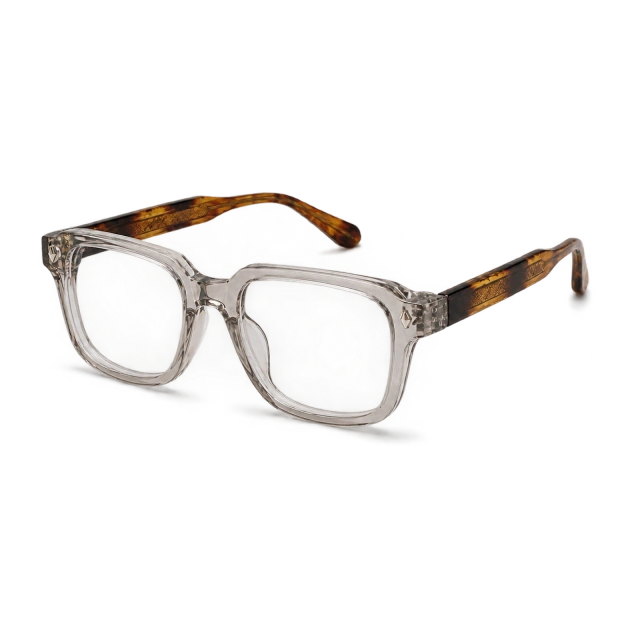
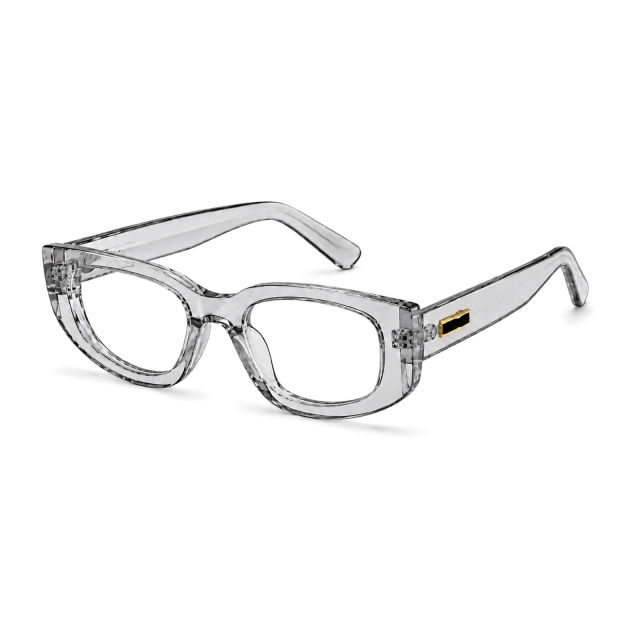
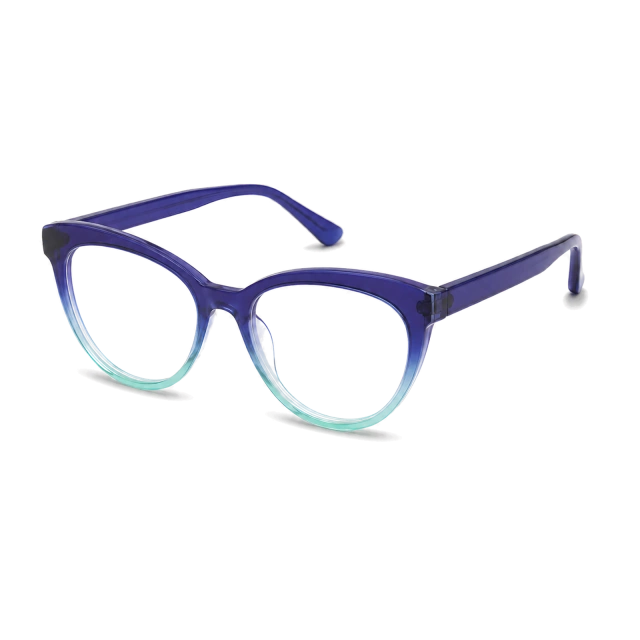
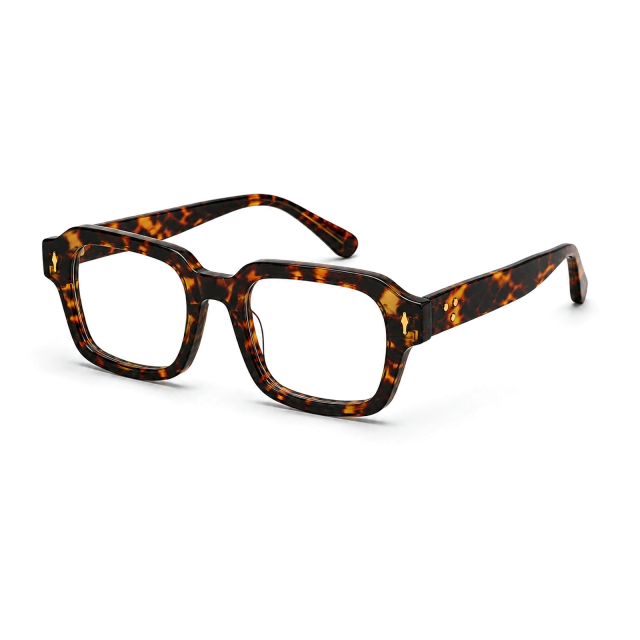
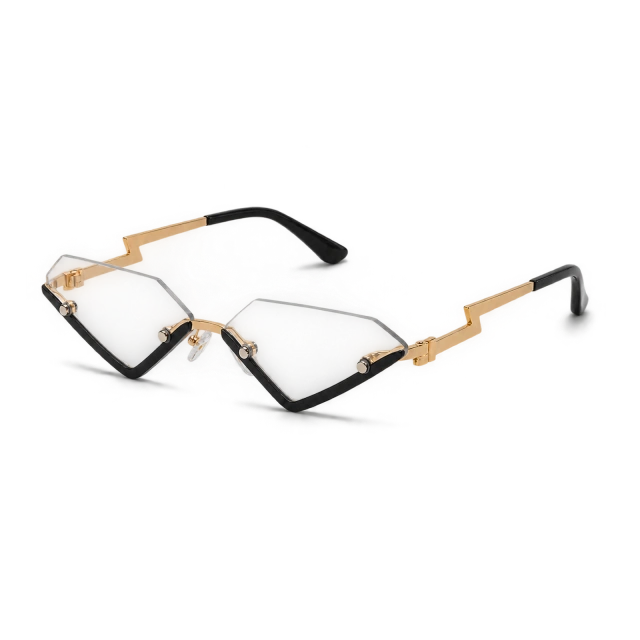
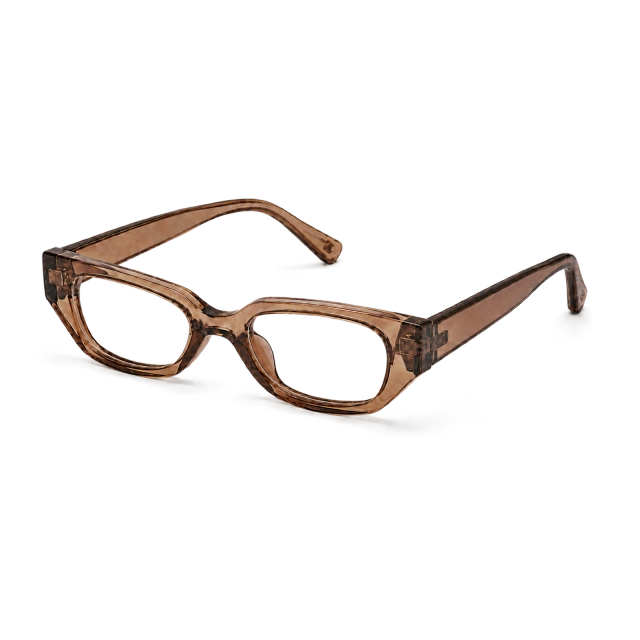
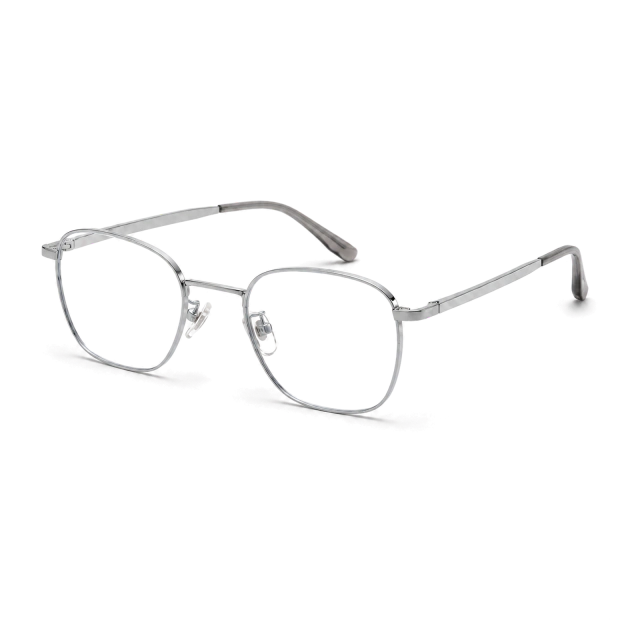
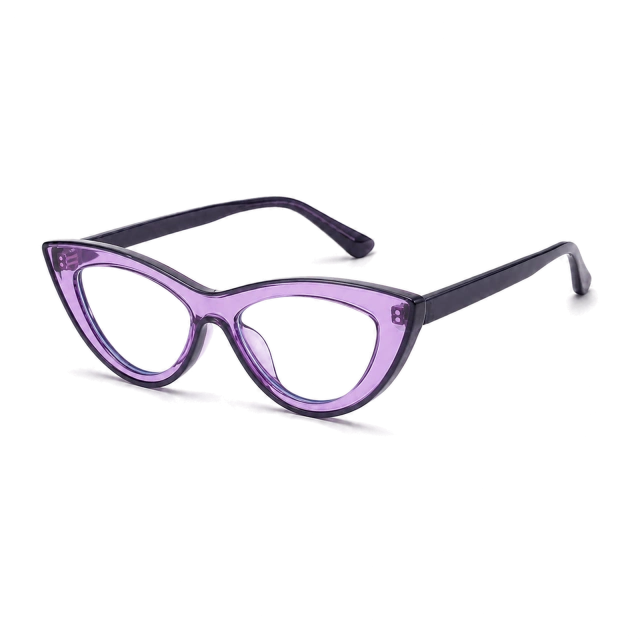
Our Lowest-Priced Eyeglasses
Each of these is $49.50 for the frame.
Common Questions
What if my FSA or HSA card is declined at checkout?
Pay with a regular debit or credit card instead, then claim with your receipt. A declined card doesn’t mean your glasses don’t qualify.
Are reading glasses FSA or HSA eligible?
Your plan decides. On our receipt, reading lenses made to the power you enter are listed as “Prescription lenses”. Check with your plan administrator before you order.
Are prescription sunglasses FSA or HSA eligible?
Sunglasses with prescription lenses usually qualify, the same as prescription glasses. Sunglasses kept with their Original Lenses usually don’t, because those lenses have no prescription in them. Your plan has the final say.
Do I need anything besides the receipt?
Often the receipt is enough. Some plans also ask for a copy of your prescription, and your eye doctor’s office can give you one.