Glasses for a Low Nose Bridge: How to Find Frames That Stay Put
If your glasses slide down, leave marks or rest on your cheeks, the bridge of the frame is usually why. Here’s how to tell what you need, using the numbers printed on every frame.
By the Clearborne Team · Updated November 3, 2026
Low Bridge or High Bridge?
Put on a pair you own and look in a mirror.
- Low bridge: the top of your nose sits at or below your pupils. Frames slide down, lenses touch your cheeks, or your lashes brush the lenses.
- High bridge: the top of your nose sits above your pupils. Most frames rest where they should.
Many people are somewhere in between. If your current glasses stay put, use them as your guide.
Read the Bridge Number
Every frame has three numbers, like 52-18-140: lens width, bridge and temple length, in millimeters. The middle one is the bridge, the gap between the two lenses.
Find the three numbers on the inside of your current frame’s temple arm. They are your best starting point.
No Numbers on Your Frame?
If they’ve worn off, measure the frame with a millimeter ruler:
- Lens width: across one lens at its widest point.
- Bridge: the gap between the lenses at its narrowest point.
- Frame width: across the front, from hinge to hinge.
Where to Find Them on Our Site
On every Clearborne product page, tap Size Chart. It shows lens width, bridge, temple length and total frame width for that exact frame, in millimeters. The same numbers are in the specs further down the page.
Compare With a Pair That Fits
The easiest way to choose is to match a pair you already wear well. Check these in order:
- Total frame width first. Stay within about 3 mm of your pair. It decides how the frame sits across your face.
- Then the bridge. Same width, or 1–2 mm narrower if your pair slides down.
- Then temple length. Within about 5 mm. Go a little longer if your temples don’t reach behind your ears.
Our size guide explains each number and how to measure a frame you own. Start with frame width there, too.
If You Have a Low Bridge
- Choose a narrower bridge. If a pair slides, look for one 1–2 mm narrower.
- Look for nose pads. Adjustable pads lift the frame off your cheeks. Check the product photos.
- Go lighter. Thin metal or light plastic frames slide less than heavy ones.
- Watch the lens height. Shorter lenses are less likely to touch your cheeks.
Plastic or Metal?
Plastic frames usually rest straight on your nose with a fixed bridge, so the bridge width has to be right from the start. Metal frames often sit on two small nose pads instead. An optician can bend those pads closer together or higher, which is why many people with a low bridge find metal frames easier to fit.
Our Narrowest Bridges
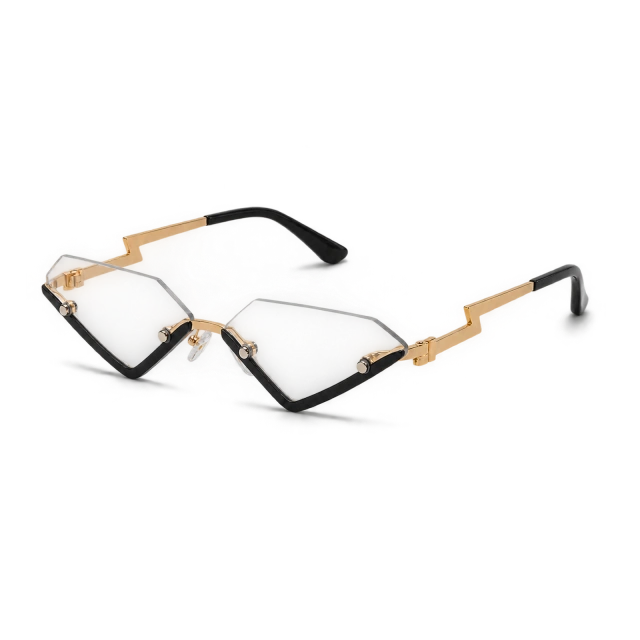
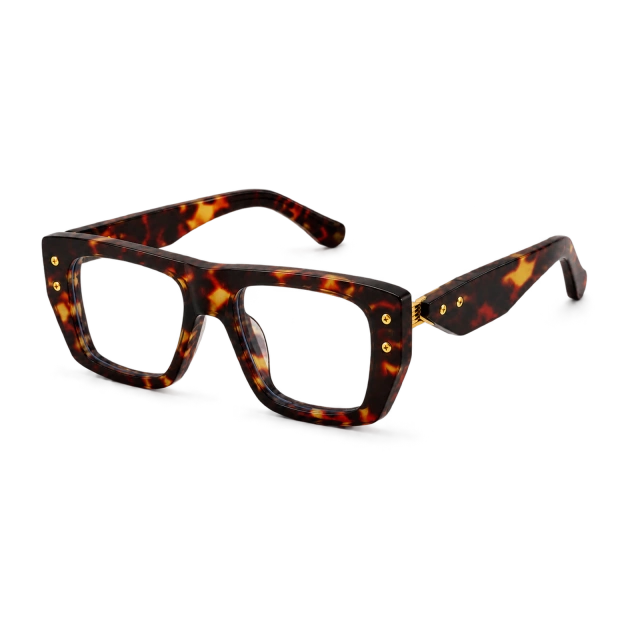
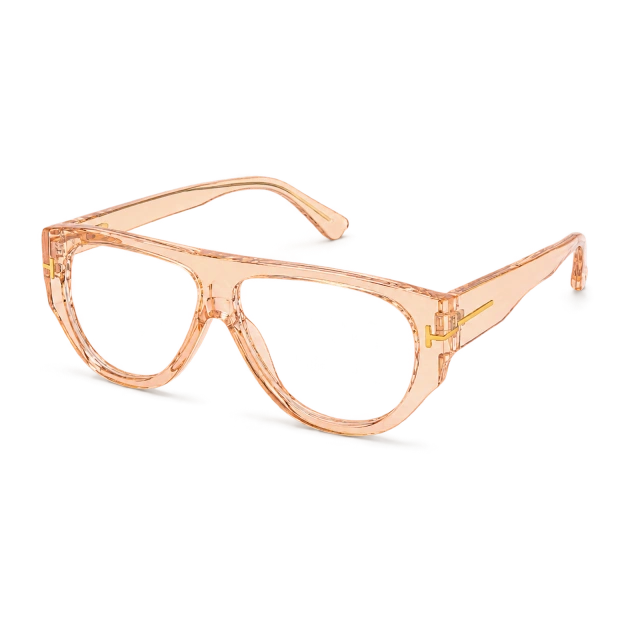
These eyeglass frames have the narrowest bridges we sell right now, 13–14 mm. Ganya, for example, measures 62-13-151.


If You Have a High Bridge
Most frames will fit. Most of ours have a 17–20 mm bridge, so you’ll have plenty to choose from. Focus on total frame width and temple length, so the frame sits level and doesn’t pinch.
If You Wear Progressives
Don’t go too short. Progressive lenses need enough height to fit the distance, middle and reading zones. If you’re choosing progressives and have a low bridge, message us before you order and we’ll check the frame with you.
Why Glasses Slide Down Your Nose
- The frame is too wide for your face.
- The bridge is too wide for your nose.
- The temples are too short or too straight to hold behind your ears.
- A hinge screw has worked loose.
Heat and skin oil make any frame slip a little over a long day, so wipe the nose pads and the bridge now and then. An optician can adjust temples and nose pads in a few minutes. Before you order, compare total frame width with our size guide.
Still Not Sure?
Send us the three numbers from a pair that fits you, and we’ll suggest frames that match. If a frame still doesn’t sit right when it arrives, our returns page explains how to send it back.
Common Questions
What glasses fit a small nose?
Look for a narrow bridge, nose pads (check the product photos), and a frame that isn’t too wide for your face. Compare with your current pair: the same bridge if it stays put, 1–2 mm narrower if it slides. Our narrowest bridges are listed above.
What bridge width is best for a low nose bridge?
Usually a narrower one. Compare with a pair that fits you and choose the same or 1–2 mm narrower.
Do you sell low bridge fit frames?
We don’t label frames that way. Use the bridge number and look for nose pads instead: our narrowest bridges are listed above, and every product page shows the measurements.
Do nose pads help glasses stay up?
Yes. Adjustable pads lift the frame and can be bent to fit. Not every frame has them, so check the photos.
How do I stop my glasses from sliding down my nose?
Check that the frame and bridge aren’t too wide, then have the temples adjusted so they hold behind your ears.