Progressive Glasses Online: What You Need, What They Cost and Which Frames Work
Progressive lenses put distance, screen and reading power into one lens, with no line across it. Ordering them online works like single vision, with two more things to get right: the ADD number and the frame. Here’s what our lens tool asks for and what it charges, taken from the tool itself.
By the Clearborne Team · Updated November 8, 2026
How a Progressive Lens Works
The power changes from the top of the lens to the bottom. You look straight ahead through the top for the road or the TV. You drop your eyes a little for a laptop at arm’s length. You look down through the bottom to read a menu or your phone.
The power changes smoothly, and the middle of the lens is where it’s sharpest. The lower sides blur a little; that’s the trade-off for having no line. So you turn your head toward what you want to see, instead of moving only your eyes.
Most first-time wearers need a little while to get used to that. If yours still feel wrong after you’ve given them a fair try, have your optometrist check the prescription and how the frame sits.
What You Need From Your Prescription
Pick Progressive on the first lens screen and the prescription screen adds an ADD column. For each eye it asks for:
- SPH, CYL and AXIS. The same numbers a single-vision pair uses. If any are unclear, our prescription guide walks through each one.
- ADD. The extra reading power at the bottom of the lens. It’s always a plus number, and it’s often the same for both eyes. Our lens tool takes ADD from +0.75 to +3.50. It fills in +1.50 to start, so change it to the number on your prescription.
- PD, your pupillary distance. Use a dual PD if you have one, one number per eye, because each eye has to line up with its own reading zone. The tool starts at 63 mm and says so itself: that’s the adult average, not yours.
Rather not type it? Upload your prescription instead. Not sure we can make yours? For progressives, prism or a strong prescription, message us before you order.
After you pay, our partner lab reviews each order before your lenses are made. If we can’t make them, we refund you in full.
What Progressive Lenses Cost at Clearborne
The Progressive button on the first lens screen shows its surcharge before you tap it. Every lens price after that already includes it.
Progressive Lens Types
Starting prices per pair, at the lowest-priced index each one comes in:
| LENS | FROM | INDEX |
|---|---|---|
| Clear, progressive | € 63,56 | 1.56 |
| Blue Light Filtering, progressive | € 72,64 | 1.56 |
| Photochromic, progressive | € 90,79 | 1.56 |
What the lens cards say: Clear, “No tint, for daily wear.” Blue Light Filtering, “Filters screen blue light.” Photochromic, “Darkens in sunlight.” Every lens is anti-reflective and scratch-resistant.
Clear Progressive Lenses by Index
Per pair, as our lens tool prices them today:
| INDEX | PRICE | SUGGESTED FOR |
|---|---|---|
| 1.56 | € 63,56 | Mild prescriptions |
| 1.61 | € 72,64 | SPH under 6.00 |
| 1.67 | € 95,33 | SPH 6.00 up to 8.00 |
| 1.74 | € 127,11 | SPH 8.00 and over |
The tool looks at the bigger SPH number on your prescription, ignores the minus sign, and suggests 1.61 under 6.00, 1.67 from 6.00 to 8.00, and 1.74 past that, the same rule it uses for single vision. On a weak prescription, 1.56 costs less and does the job. You can pick thinner or thicker. If the one you pick doesn’t suit your prescription, we contact you before your lenses are made.
Real Pairs, Priced
Frame plus lenses, before shipping and before any offer in your bag:
- SPH -2.00 in both eyes with ADD +2.00, clear progressives at the suggested 1.61: a € 44,94 frame and € 72,64 lenses come to € 117,58.
- SPH +1.25 with ADD +2.25, photochromic progressives at the suggested 1.61, so one pair works indoors and out: a € 44,94 frame and € 104,41 lenses come to € 149,35.
Reading only bothers you at a book or a phone, and distance is fine? Reading lenses cost less than progressives. If you switch between near and far all day, one progressive pair saves you swapping glasses.
Picking a Frame for Progressives
A progressive needs room from top to bottom: distance at the top, reading at the bottom, and a narrow corridor between them. Our size guide puts it at a lens about 35 mm tall or more. Go much shorter and the reading area at the bottom gets cut down.
Every Clearborne product page lists the lens height with the frame’s other measurements, so you can check before you pick lenses.
Fit matters as much as size. The frame should sit level and stay put. If it slides down your nose, you end up looking through the wrong part of the lens. A low nose bridge is the usual reason, and our low nose bridge guide covers what to look for.
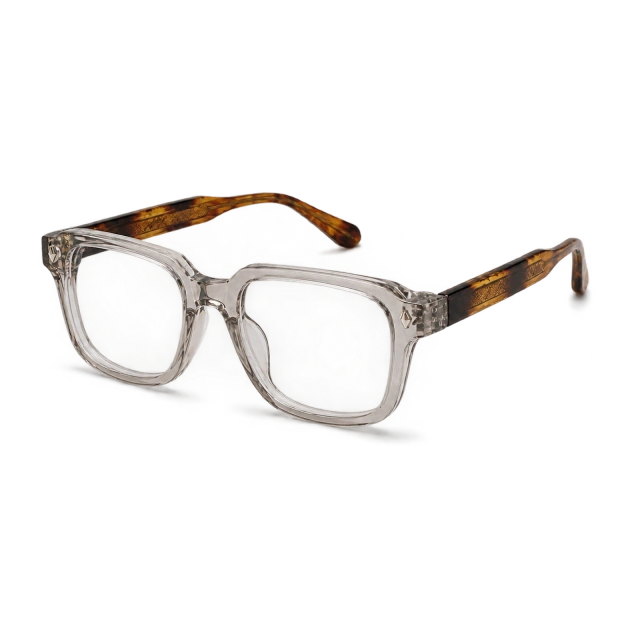
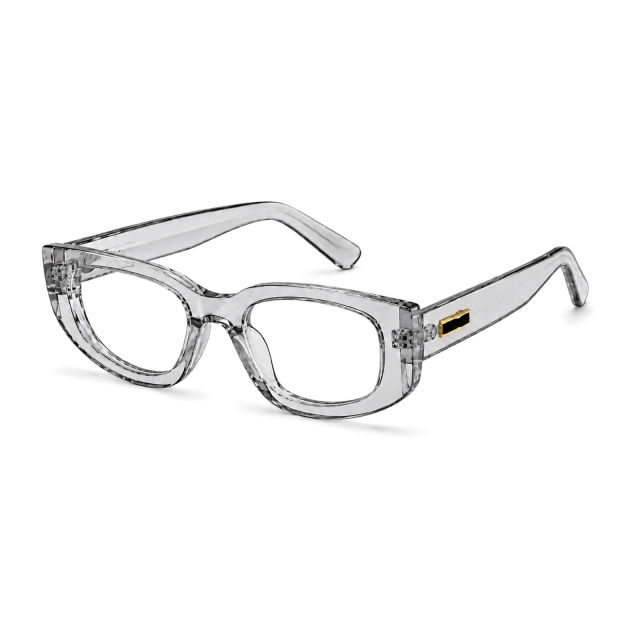
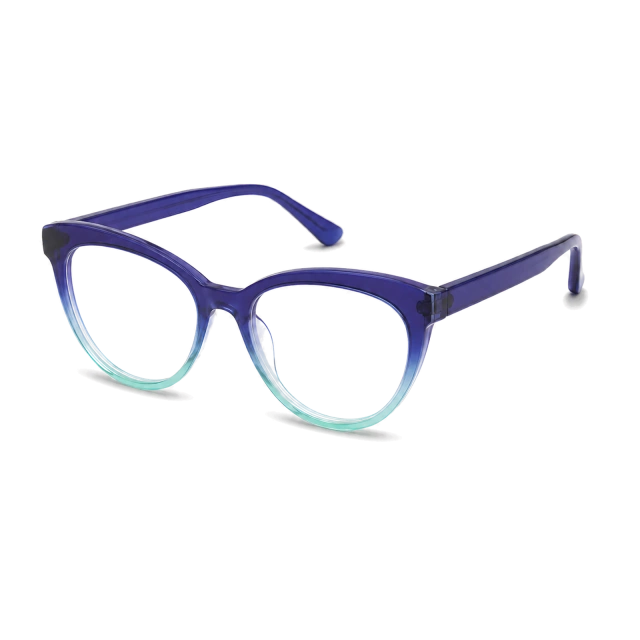
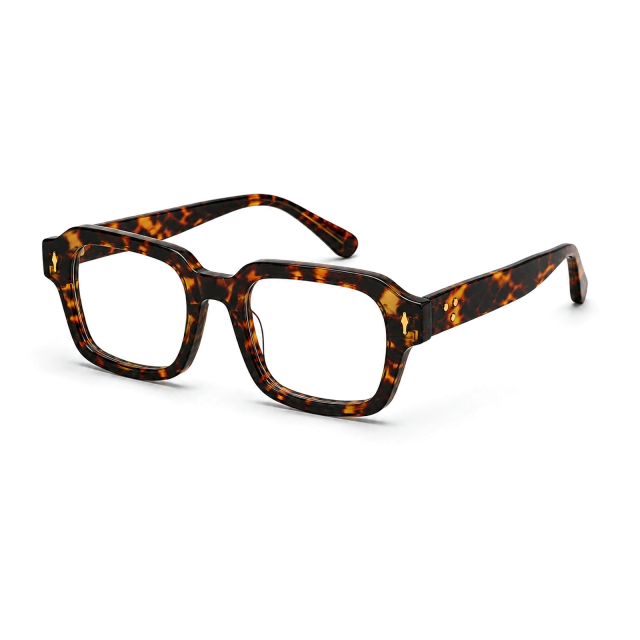
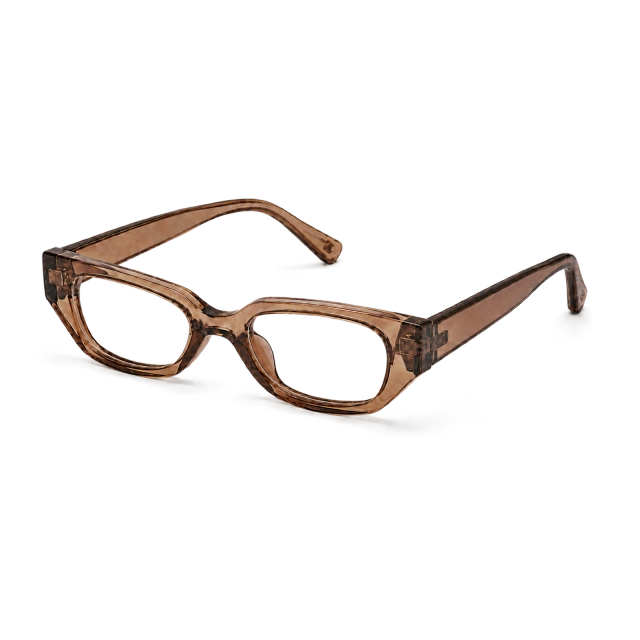
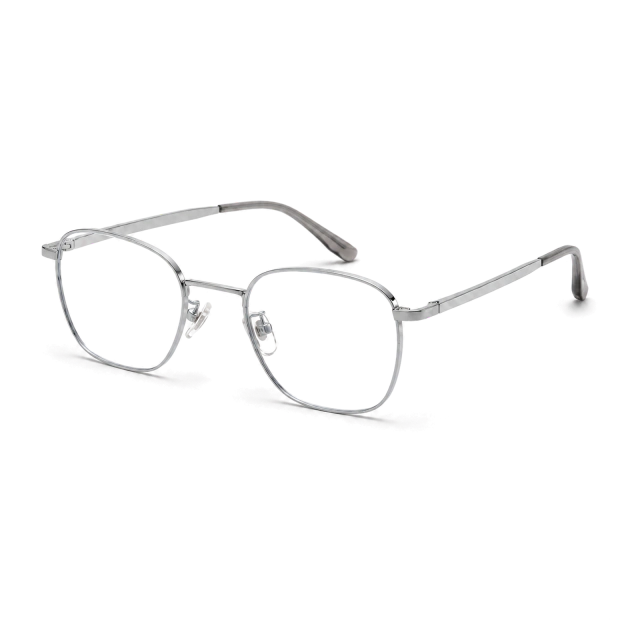
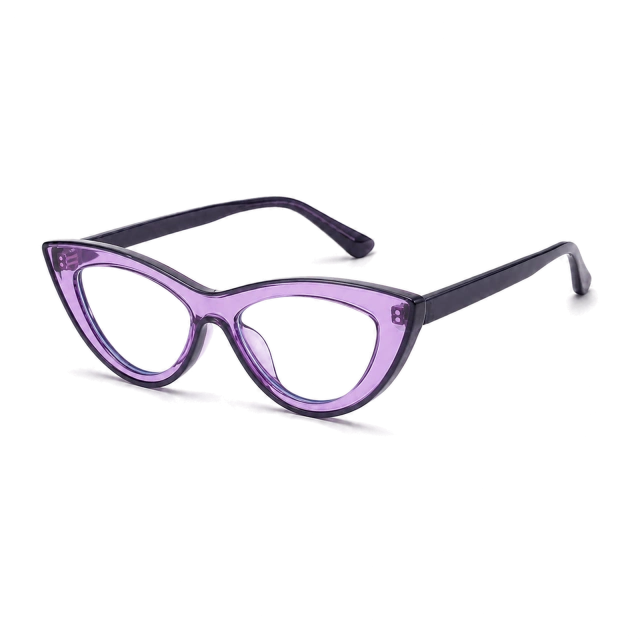
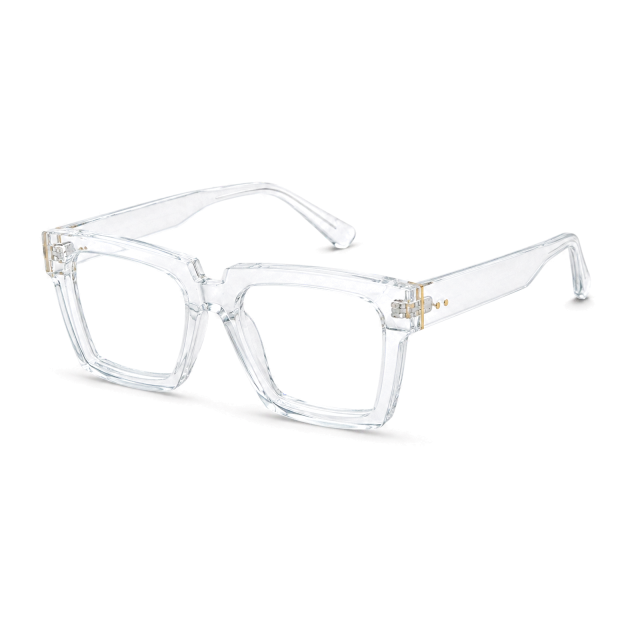
Low-Priced Frames That Take Progressives
Each of these is € 44,94 for the frame and has a lens at least 35 mm tall.
If They Don’t Work Out
Prescription lenses are made for you, and you can still return or exchange them within 30 days, even if you entered the wrong prescription. For an exchange, we make the new pair once your return arrives, and charge or refund any price difference.
Common Questions
Can I order progressive lenses online?
Yes. Pick Progressive on the first lens screen, then enter SPH, CYL, AXIS and ADD for each eye and your PD, or upload your prescription. Our partner lab reviews each order before your lenses are made.
What does ADD mean on my prescription?
It’s the extra power for reading, added at the bottom of a progressive lens. It’s always a plus number. Our lens tool takes ADD from +0.75 to +3.50.
How tall should the lenses be for progressives?
Our size guide says about 35 mm or more. Each Clearborne product page lists the lens height, and most of our eyeglass frames clear 35 mm.
Do I need a dual PD for progressives?
It helps. Each eye looks down its own path to the reading zone, so one number per eye lines the lenses up more closely. If your prescription has no PD, our PD guide shows how to measure it at home.